Ask the Expert – Dr. Michael Chapman Shares His Supplement Recommendations

“I take the Cooper Complete Basic One Iron Free and Cooper Complete Advanced Omega-3,” says Michael C. Chapman, MD, a Cooper Clinic preventive medicine physician for Cooper Clinic Platinum.
With so many supplements available, how do you know what’s best for you? Below, Dr. Chapman discusses what he recommends most often to his patients and why you may need to be supplementing even if you’re eating a balanced diet.
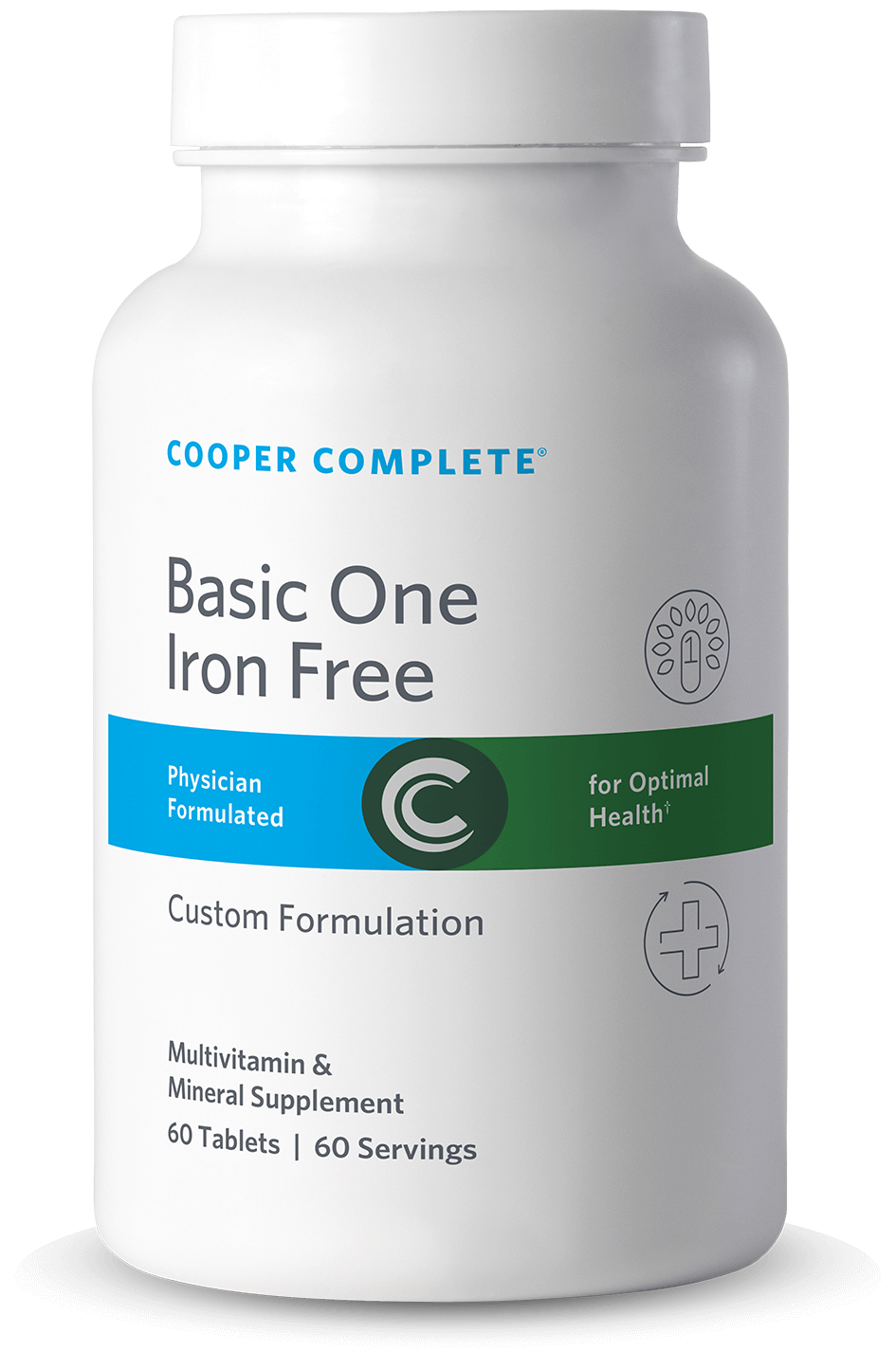
Basic One Daily Multivitamin Iron Free
Basic One daily multivitamin contains methylated (5-MTHF) folate and vitamin B12, 50 mcg (2000 IU) vitamin D3, magnesium, zinc and other premium vitamins and minerals in amounts proven beneficial to optimal health.
$29.98 Add to cartVitamin D
Think you’re getting enough vitamin D? Think again.
“I assume everyone is deficient in vitamin D until proven otherwise,” says Dr. Chapman. “In fact, I find most new patients who come to me who aren’t supplementing have a vitamin D range in the 10s or 20s. The optimal range is in the 40s or 50s.”
Dr. Chapman says vitamin D deficiency, which occurs when the range is less than 30, can put people at an increased risk for heart disease, breast, colon and prostate cancer, anxiety, depression and bone loss.
What’s causing so many people to become deficient?
“Vitamin D comes from sunlight and unless you’re a beach bum, you’re probably not getting enough,” says Dr. Chapman. “In fact, even beach bums wear sunscreen and any sunscreen with an SPF 7 or above will block vitamin D production, so we’re not absorbing it.”
Dr. Chapman says generally, 25 mcg (1000 IU) of vitamin D supplementation can raise levels by 10 points. He recommends 25 mcg- 50 mcg (1000-2000 IU) of vitamin D a day. “Our Cooper Complete Basic One has 50 mcg (2000 IU), which is why I recommend it to my patients,” says Chapman.
Omega-3
Omega-3 supplements are among the most important supplements and one Dr. Chapman recommends most often to his patients.
“Omega-3 can benefit overall heart health and is the basic building block for neurons in the brain,” explains Dr. Chapman. However, Dr. Chapman says many of the patients he sees still aren’t getting enough.
“Optimal levels of omega-3 would be 7 to 8 percent and above,” says Dr. Chapman. “Most people who don’t take omega-3 supplements or don’t have an omega-3 rich diet find themselves around 2 to 4 percent.”
Dr. Chapman says the Japanese population often has the highest omega-3 levels, with an average of 14 percent. He explains, “That’s due to the amount of fish they consume, as fish is a great source of omega-3.”
“Generally, we say cold-water fish have omega-3, so your fattier fish, such as salmon, tuna and farm-raised trout, are excellent sources,” says Dr. Chapman. Other sources of omega-3 include leafy greens, like spinach, as well as chia seeds and walnuts.
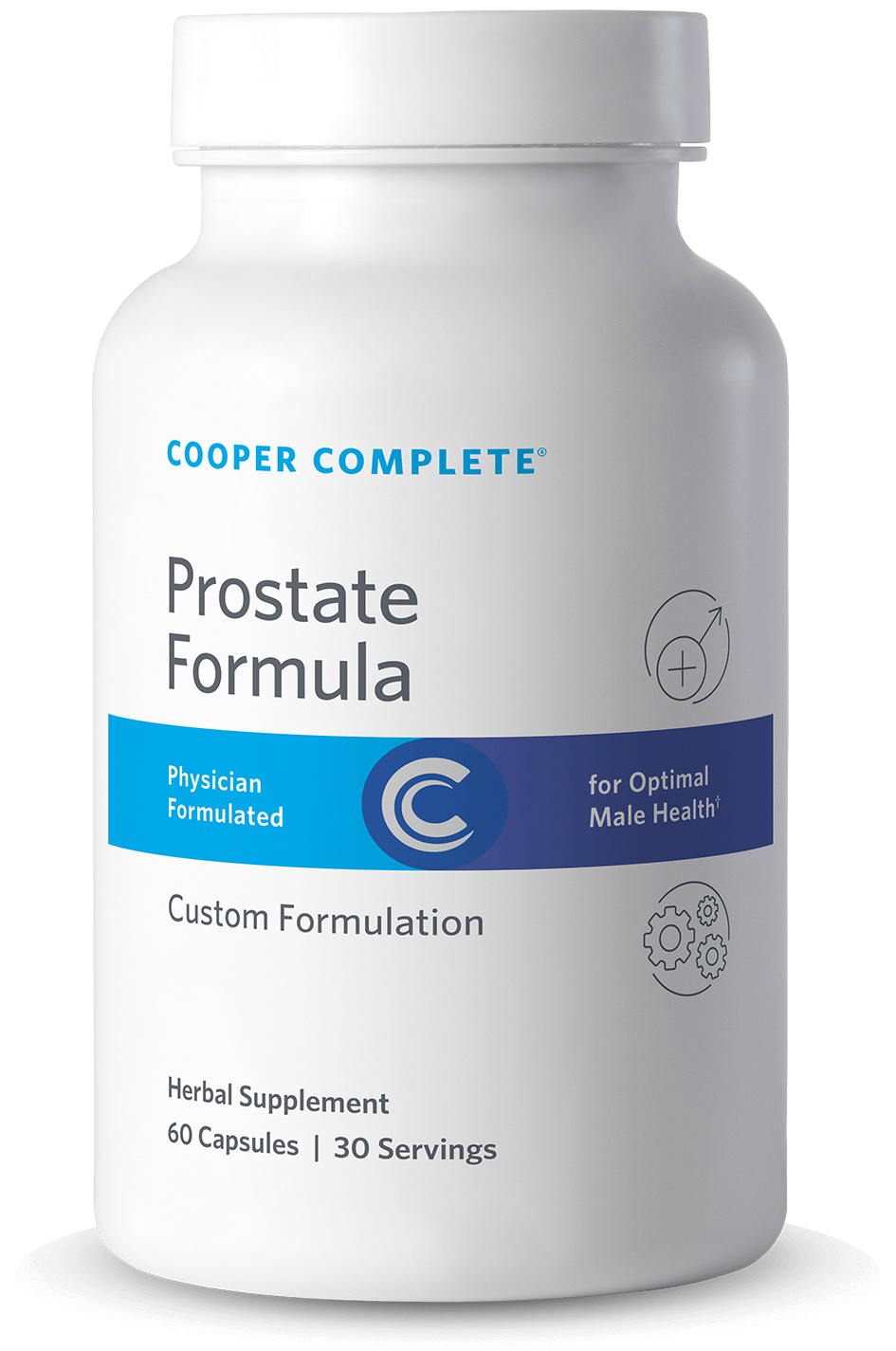
Prostate Supplement For Men
Physician formulated and recommended supplement with saw palmetto, pygeum, and lycopene recommended for men with benign prostate hyperplasia (BPH).†
$31.48 Add to cartProstate Health
If you’re a male over the age of 50 and find yourself using the restroom throughout the night, it could be the first sign of an enlarged prostate.
“As men get older, their prostate gets bigger, and it can cause urinary voiding or obstructing symptoms,” says Dr. Chapman.
For those patients, Dr. Chapman recommends Cooper Complete Prostate Health, which contains 200 mg of saw palmetto. Research studies have shown that saw palmetto can help reduce benign prostatic hyperplasia (BPH) symptoms, including frequent urination.
“Some studies show 50 to 60 percent of men who have mild to moderate prostate symptoms report improvement while taking a supplement,” says Dr. Chapman. That being said, he warns his patients that taking a prostate supplement requires patience.
“It’s not like Tylenol, where you take one and get rid of your headache,” says Dr. Chapman. “You have to use it for a while. I usually put them on a 3-month trial and look for improvements.”
Joint Health
If achy joints are your problem, Dr. Chapman says Cooper Complete Joint Health Supplement might be the answer you’re looking for. He’s seen the results first-hand.
“When my father-in-law was in his mid-70s, he found he couldn’t use his computer keyboard because of his arthritis,” says Dr. Chapman. His father-in-law was taking an over-the-counter joint formula supplement but wasn’t finding much relief.
“I said try ours; it’s more concentrated,” says Dr. Chapman. “He called me two months later and said it was working, that he wasn’t having any pain in his hands.”
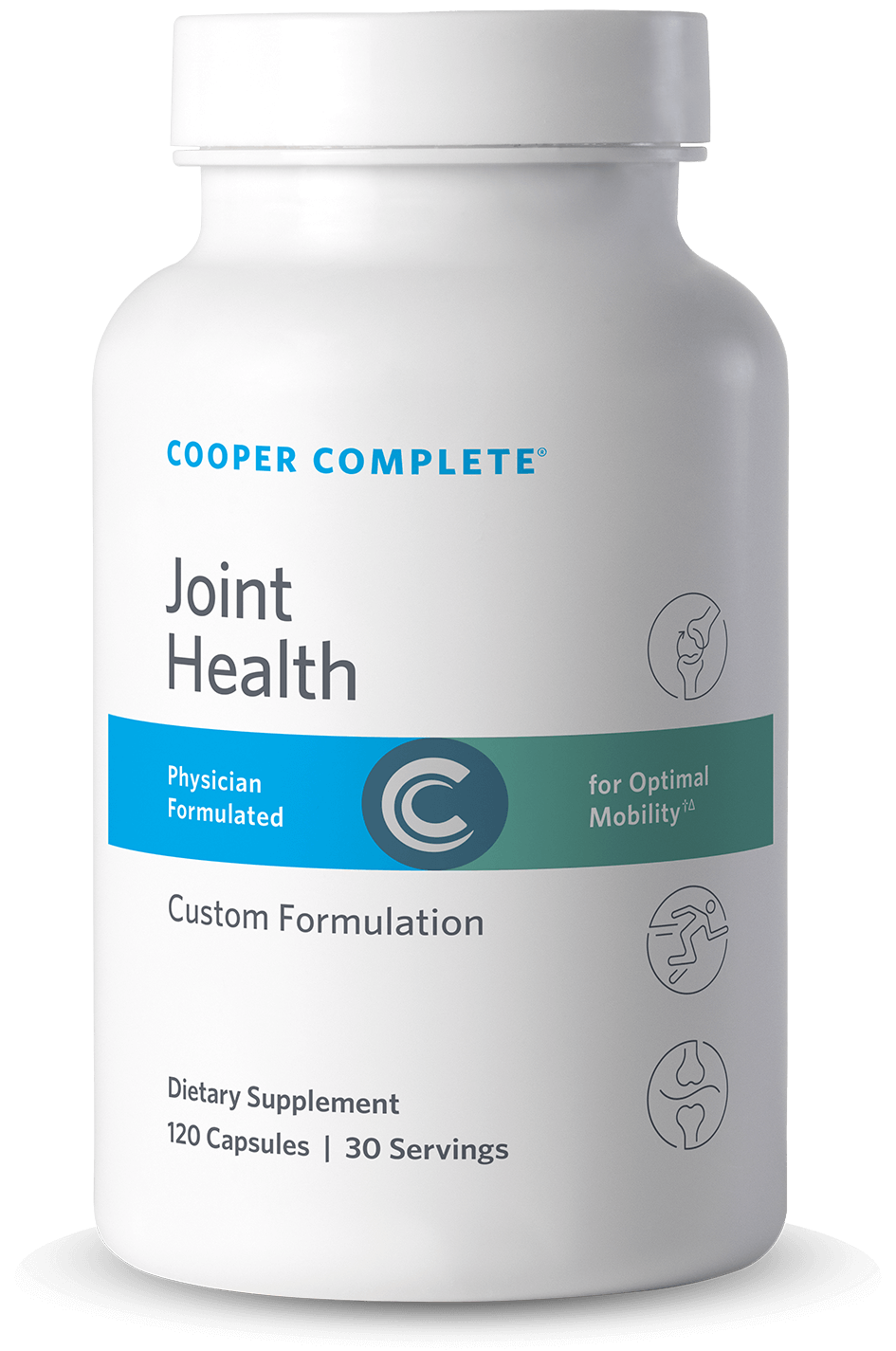
Joint Health Supplement
Custom Formulated Nutritional Supplement with Glucosamine Sulfate (2KCI), Chondroitin Sulfate, and Bromelain.
$39.98 Add to cartThe Cooper Complete Joint Health Supplement was originally developed for people who suffer from osteoarthritis but can also help provide relief to those who suffer from tennis elbow or other repetitive motion pain.
Calcium
Did you know 99 percent of your body’s calcium is stored in your bones and teeth? The remaining one percent plays a big role by helping blood vessels move blood throughout the body and by helping muscles expand and contract.
Like all vitamins and minerals, Dr. Chapman says he encourages his patients to get their calcium through their diet, but he knows sometimes even that isn’t enough.
“The average diet has about 500 to 700 mg of calcium in it, unless you’re eating a lot of calcium-rich foods like spinach and Greek yogurt,” says Dr. Chapman. “I tell my patients to eat as much calcium as they can and supplement the difference.”
Recommended doses of calcium are different for men and women. Chapman recommends women consume 1200 to 1500 mg of calcium per day and that men consume 1000 mg of calcium per day.
Chapman suggests people keep a food journal to keep track of how much calcium they’re consuming.
“If you’re not getting enough through your diet, I recommend Cooper Complete Calcium Citrate,” says Dr. Chapman. “The citrate in our supplement is easier on the stomach and can be taken by people who have digestive issues.”
Why Cooper Complete?
You can find supplements similar to those listed above in almost any drug store or online health retailer in the world. So why does Dr. Chapman recommend Cooper Complete vitamins to his patients?
“If you take one of our Cooper Complete supplement bottles and compare it with an over-the-counter option, you’ll see the contents of our vitamins are more robust,” says Dr. Chapman. “For example, most over-the-counter supplements may have 15 to 20 mcg (600 to 800 IU) of vitamin D. Cooper Complete has 50 mcg (2000 IU).”
For Dr. Chapman, who has been taking Cooper Complete vitamins for nearly a decade, taking fewer vitamins but gaining more nutrients is what makes Cooper Complete so great.
“My Omega-3 level has gone up, and my vitamin D level is great,” says Chapman. “I feel good about what I’m consuming.”
Article provided by Cooper Complete team.