Doctor Vitamin Recommendations – Learn What Cooper Clinic Dr. Riva Rahl Says

What do doctors, who spend the vast majority of their day considering and discussing optimal health, do personally to stay healthy?
We sat down with Dr. Riva Rahl from Cooper Clinic and found out which vitamins and supplements she takes and what she gives to her family. As an accredited expert in the medical field, her own vitamin and supplement routine is telling.
Which vitamins and supplements does Dr. Rahl take?
- Cooper Complete Original With Iron – This is Cooper Complete’s most comprehensive multivitamin with a serving size of eight tablets per day. Ideally, this multivitamin would be taken in two doses for optimum absorption of nutrients (four tablets twice a day). However, with the hectic pace of day-to-day life, Dr. Rahl finds it easier to take all her vitamins in one dose – at dinner, her largest meal of the day. As she tells her patients, “It’s better to have 95 percent absorption than 50 percent absorption.” Taking multivitamins with a large meal helps with the absorption of fat-soluble vitamins.
- Vitamin D 25 mcg (1,000 IU) – The only way to know for sure how much vitamin D you need is to have your blood level checked, which Dr. Rahl has done annually during her physical exam. Ideally, she would like her vitamin D level to stay between 40-50 ng/mL. Based on these parameters, Dr. Rahl has determined she needs a total of 75 mcg (3,000 IU) vitamin D per day. Cooper Complete multivitamins have 50 mcg (2,000 IU), so she adds a 25 mcg (1,000 IU) standalone Cooper Complete Vitamin D softgel to reach the total amount her body needs.
- Rahl mentioned she would take Cooper Complete Advanced Omega-3 if it weren’t for the large amount of fatty fish she incorporates into her diet. The American Heart Association recommends eating at least two 3.5 ounce servings of fatty fish, such as salmon, each week. Dr. Rahl greatly exceeds that amount. She eats at least six servings of salmon weekly!
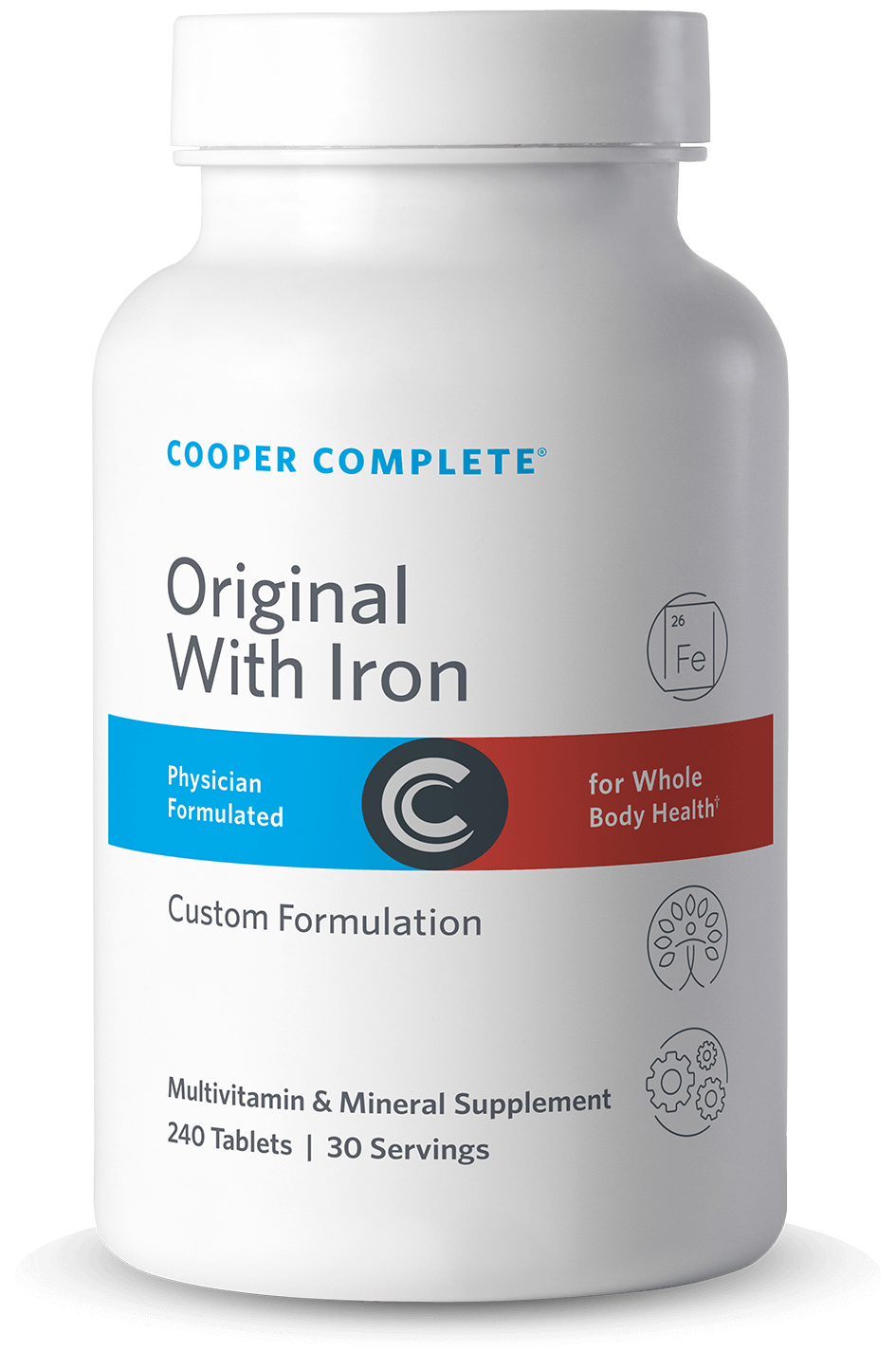
Original Comprehensive Multivitamin With Iron
Experience the difference - top-rated physician-formulated and recommended multivitamin and mineral supplement is packed with 25 key vitamins and minerals including Ferronyl® Iron, Zinc, Magnesium, Potassium, Biotin, Selenium, Copper, Vitamins A, C, D, E, K, and activated B vitamins.† DUE to LOW INVENTORY THIS ITEM IS LIMITED TO ONE BOTTLE
$54.98 Add to cartWhich vitamins and supplements does she give to her kids?
Dr. Rahl also plays the very important role of “Doctor Mom” to her two teenaged sons. To help her kids stay healthy, she gives them:
-
- Coromega – a tasty and kid-friendly omega-3 brand
- 125 mcg (5,000 IU) vitamin D
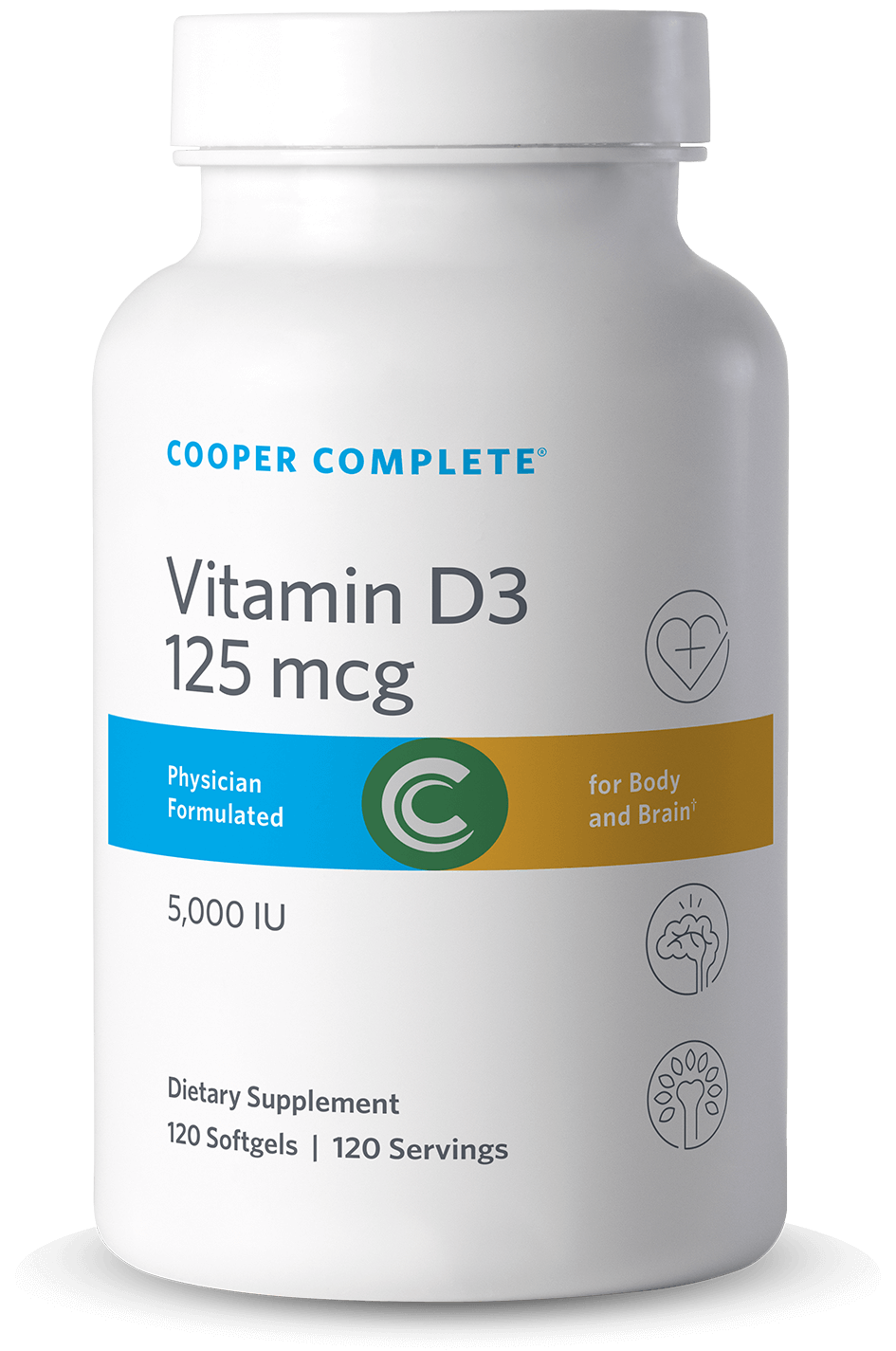
Vitamin D3 125 mcg (5000 IU) Supplement
Many individuals don't get enough vitamin D from sunlight or through diet. Vitamin D3 form of Vitamin D Supplement for better absorption.
$26.98 Add to cartWhat does she recommend to her patients?
Dr. Rahl emphasized the two most important supplement recommendations for all of her patients are vitamin D and omega-3.
Vitamin D
“There’s no way to get enough vitamin D from diet and sun exposure alone,” she explained. Especially if you are using sun protection properly (which Dr. Rahl strongly advocates). The amount of vitamin D supplementation needed varies for each individual. She recommends:
- Blood level is less than 20 ng/mL: prescription vitamin D for three months and 50 mcg (2,000 IU) daily
- Blood level 20-30 ng/mL: 50 mcg (2,000 IU) vitamin D daily with a follow-up to see if the blood level increases
- Blood levels of approximately 30 ng/mL: start or continue taking 50 mcg (2,000 IU) vitamin D
One thing she values is the higher levels of vitamin D found in Cooper Complete multivitamins. All Cooper Complete multivitamins contain 50 mcg (2,000 IU) per daily serving. While many other multivitamin brands contain vitamin D, most do not have high enough levels.
Omega-3
Omega-3 has been shown to support optimal heart health, brain health and fight overall inflammation in the body. Most Americans struggle to incorporate enough omega-3 rich foods into their diet naturally which makes supplementing essential. If a patient eats little to no fish, Dr. Rahl recommends 2-3 Cooper Complete Advanced Omega-3 softgels per day. She warned that DHA-fortified foods such as milk and eggs have insufficient DHA levels in them. As omega-3 supplements often similarly have low levels, be sure to read the label to make sure the EPA/DHA levels are high enough to make a difference. Cooper Complete Advanced Omega-3 has 1,200 mg EPA/DHA in two softgels.
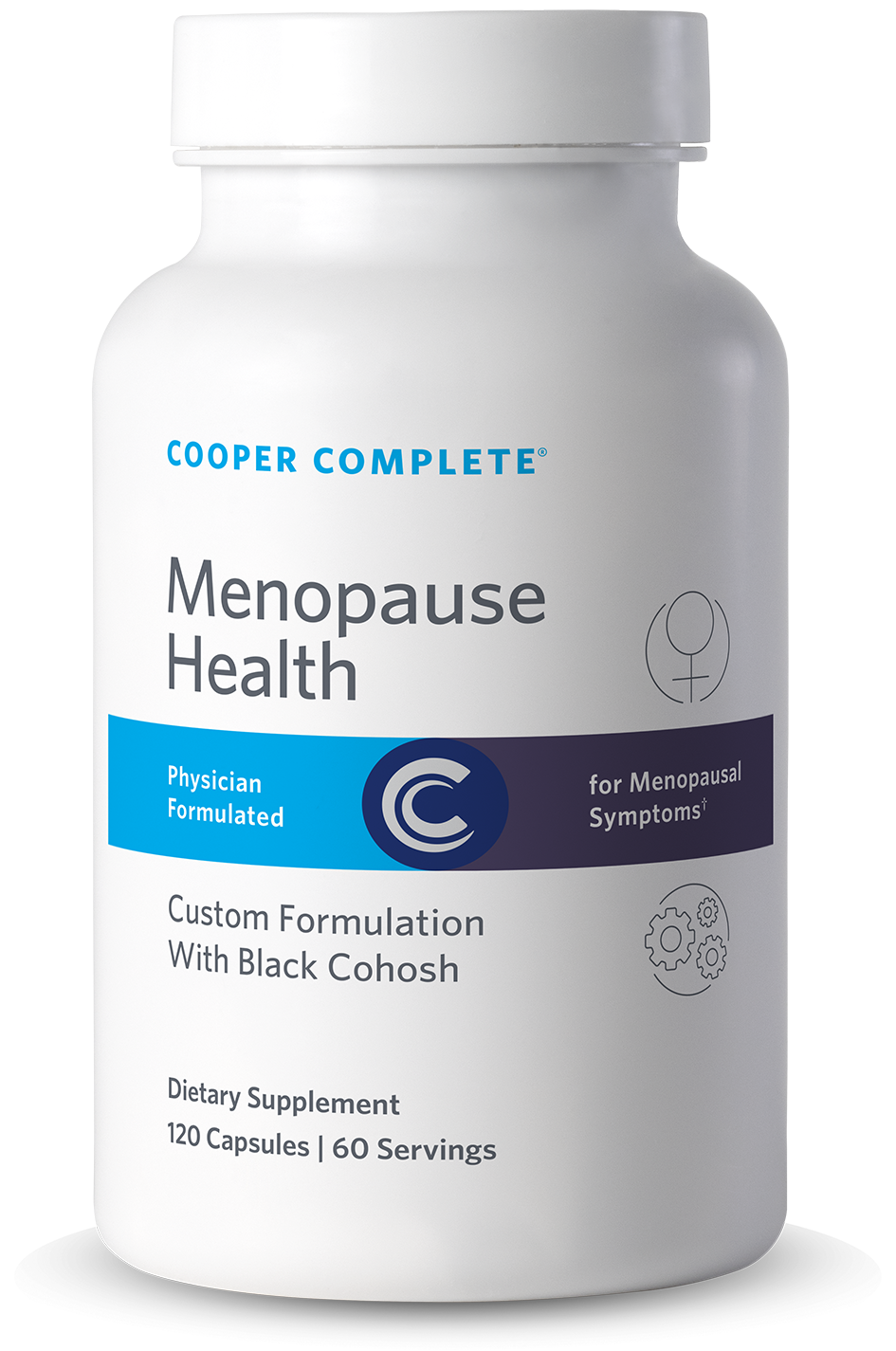
Menopause Health Supplement
Custom-formulated to assist women in getting restful and rejuvenating sleep by addressing symptoms of anxiety, restlessness, and night sweats.†
$43.48 Add to cartWhat does she recommend for women?
In addition to vitamin D and omega-3, Dr. Rahl stresses the importance of women getting proper amounts of iron and calcium.
If patient bloodwork shows low iron levels, Dr. Rahl recommends supplementing, especially for women who have a menstrual cycle or who give blood regularly. Cooper Complete multivitamins are available in a “With Iron” formula containing 18 mg of supplemental iron per serving.
Women also need 1,000 to 1,200 mg of calcium daily from their diet. Calcium-rich foods include milk, kale, yogurt, and broccoli. If patients find the suggested amount difficult to achieve through diet alone, Dr. Rahl instructs them to take a calcium supplement.
For women struggling with perimenopause or menopause, Dr. Rahl suggests Menopause Health to help manage symptoms.
Other Recommendations
- Rahl recommends taking 400-500 mg of turmeric twice a day as it is a good anti-inflammatory. She especially advises her patients with arthritis to take turmeric.
- For patients who struggle with sleep issues and insomnia, she suggests 3 mg of Quick Release Melatonin. Melatonin is a naturally occurring hormone that helps control the body’s wake-sleep cycle.
- For patients who are on statin medications to control high cholesterol, Dr. Rahl advises 50 to 100mg of Cooper Complete CoQ10. Statins deplete the body’s CoQ10 level, so replenishing this important enzyme may reduce muscle aches and pain associated with taking a statin. Dr. Rahl instructs her patients to start with 50 mg and if they don’t notice a difference, increase the level from there.
With so many vitamins and supplements available and an endless barrage of advertising, it can be hard for consumers to know which products are scientifically backed and worth the investment. A doctor’s vitamin recommendation can help make selecting the right supplements for you more clear. The physicians and staff at Cooper Clinic provide a personalized, in-depth picture of one’s health and can offer individualized guidance. Access this link to learn more about the Cooper Clinic preventive exam.
Article provided by Cooper Complete team.
Related Reading
Learn About The Supplements Dr. Kenneth H. Cooper Takes and Why