Omega-3 and Seafood Infographic

The benefits of eating fish are well documented. Besides being a great source of protein, fish can also provide high levels of omega-3 fatty acids. There are more than 30,000 studies exploring the various benefits of omega-3 for inflammation, heart and brain health. Seafood is the best natural source of EPA and DHA forms of omega-3 fatty acids.
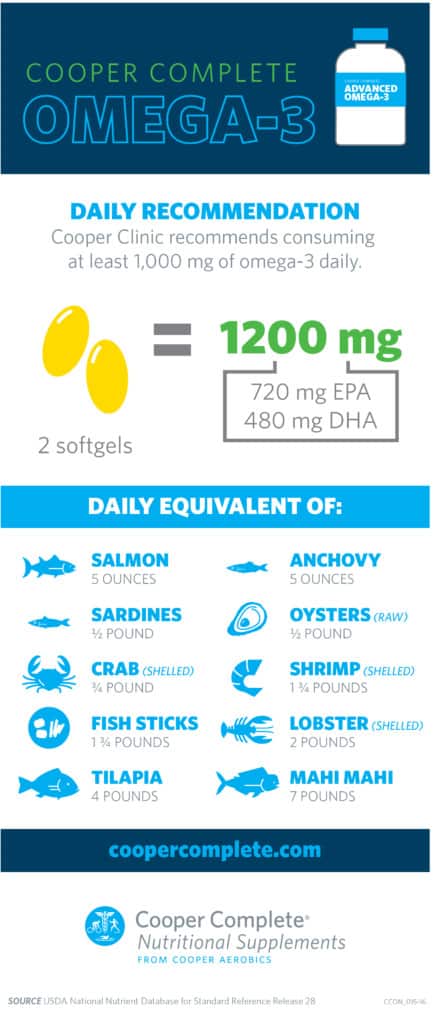
So, how much omega-3 is in fish? Check out our omega-3 infographic below showing how much omega-3 is in your favorite seafood.
How Much Omega-3 Do You Need?
The American Heart Association (AHA) recommends eating at least two servings of fish each week. A recommended serving of fish is 3.5 ounces cooked or about ¾ cup of flaked fish. While there are three forms of omega-3 available in foods, most foods do not contain all three. Consuming fish provides the body with EPA and DHA forms of omega-3. The third form of omega-3, ALA, comes from plants and nuts consumed through a normal diet. EPA and DHA are important because of the unique benefits they provide for the body.
Researchers from Harvard analyzed 20 studies of omega-3 intake for hundreds of thousands of participants. These studies focused on the effects for people who ate one to two 3 ounce servings of fish per week. Markedly, they found that consuming the recommended fish intake per week reduces the risk of heart disease by 36 percent.
Heart health is not the only area of the body omega-3 benefits. In addition, a study of seafood consumption for expecting mothers found links to child development. The highest risk of low IQ is associated with consuming less than 340mg per week of fish during pregnancy.
Advanced Omega-3 Supplement
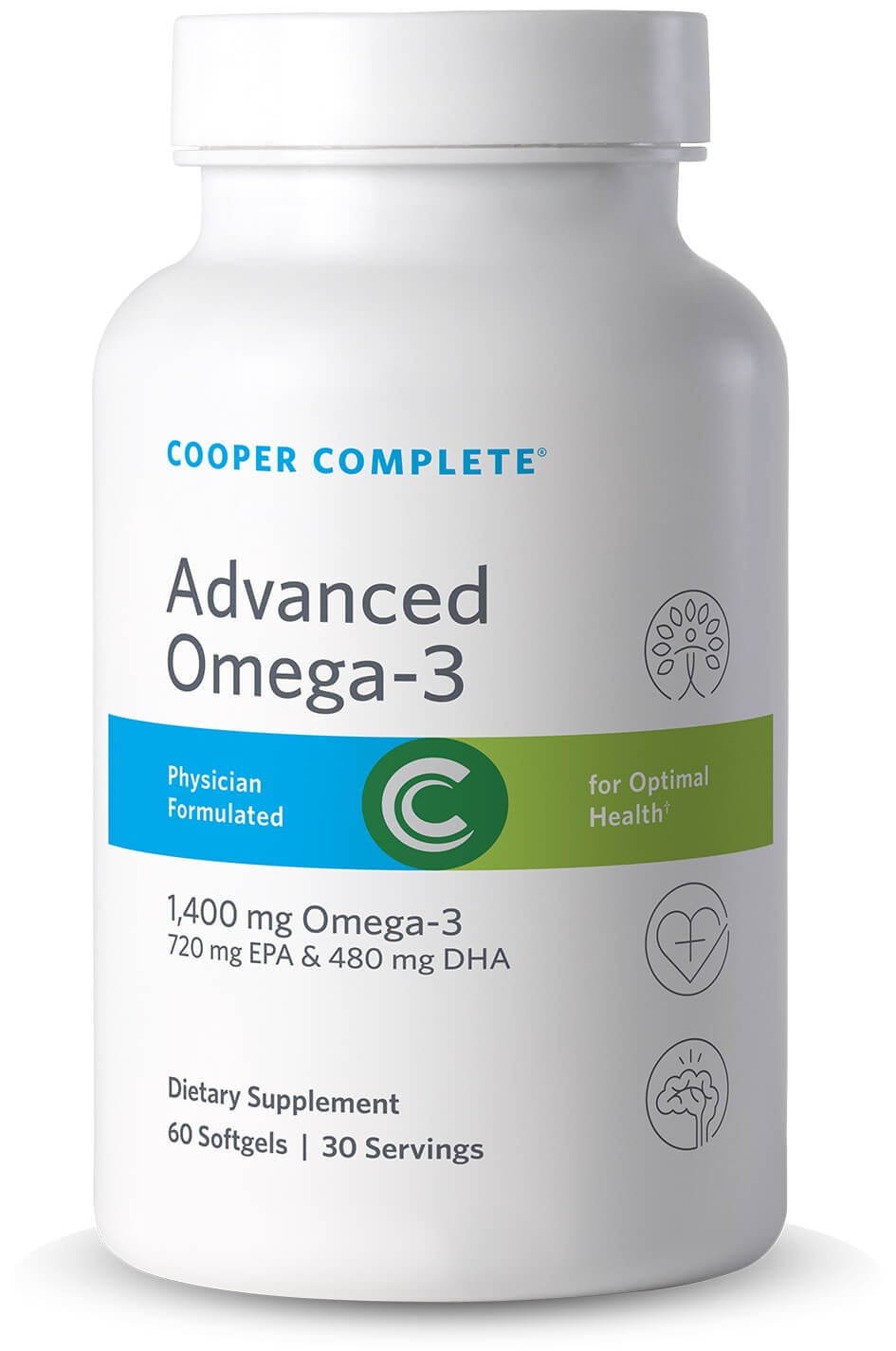
Advanced Omega 3 Supplement contains 720 mg EPA, 480 mg DHA, and 200 mg other omega-3 fatty acids in each serving of two lemon-flavored softgels. Omega 3 supplementation supports heart health, cognition, immune, and inflammatory health without any fishy aftertaste.†
$22.98 Add to cartSimilarly, the NIH points to studies that consuming EPA and DHA can increase a baby’s weight at birth. On top of this, consuming omega-3 can also increase the length of time the baby is in the womb. It mentions both of these aspects as being “beneficial” for a healthy pregnancy.
The Best Fish for Omega-3 Fatty Acids
Unfortunately, sources of omega-3 are not equal in how much omega-3 they provide. For example, a five-ounce portion of salmon is equal to four pounds of tilapia. Love mahi-mahi? It would take seven pounds to match the omega-3 provided from a five-ounce portion of anchovies.
Ultimately, anchovies and salmon at 1-2g per serving of omega-3 are the best fish to eat for meeting omega-3 needs naturally. The next best options would be sardines or oysters, followed by the shelled choices of crab and shrimp.
Supplement Levels Compared to Fish for Omega-3
The Dietary Guidelines for Americans clearly outline the primary source of nutrition should be food. Healthy foods contain a variety of nutrients your body needs. Yet, while salmon is a great choice for omega-3, it can be pricey and have limited availability in restaurants.
According to GOED, a nonprofit association, that advocates for adequate omega-3 levels and works to ensure quality omega-3 products on the market. Their studies find that in the United States, men usually get half of the omega-3 they need and women only about 40% of the proper amount.
Conversely, nutritional supplements can offer a cost-effective way to obtain the necessary EPA and DHA from omega-3. For example, two softgels of omega-3 fish oil from Cooper Complete Advanced Omega-3 provide 1200mg combined of EPA and DHA. This is a cost-effective way to meet omega-3 fatty acid needs of 1000mg daily at a budget-friendly price.
Finally, to boost your omega-3 levels try and eat two servings of fatty fish per week. If you are concerned about an ability to meet this requirement consider supplementing your diet with omega-3 supplements. Consult your physician as well during check-up about individual dietary needs.