


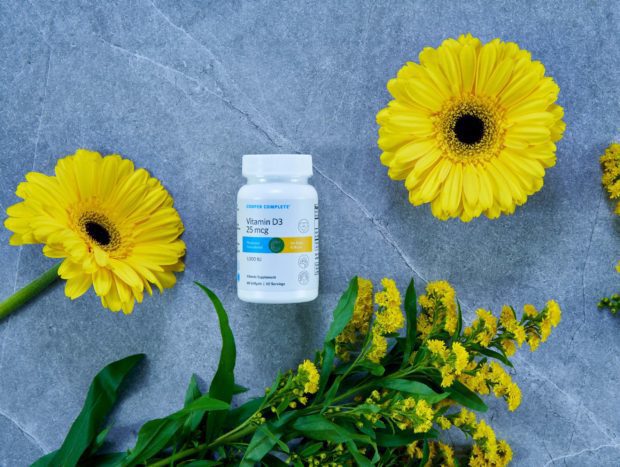
D3 Vitamin Supplement, Vitamin D 1000 IU Supplement
Orders received by noon typically ship same business day. Orders received by noon typically ship same business day.

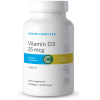
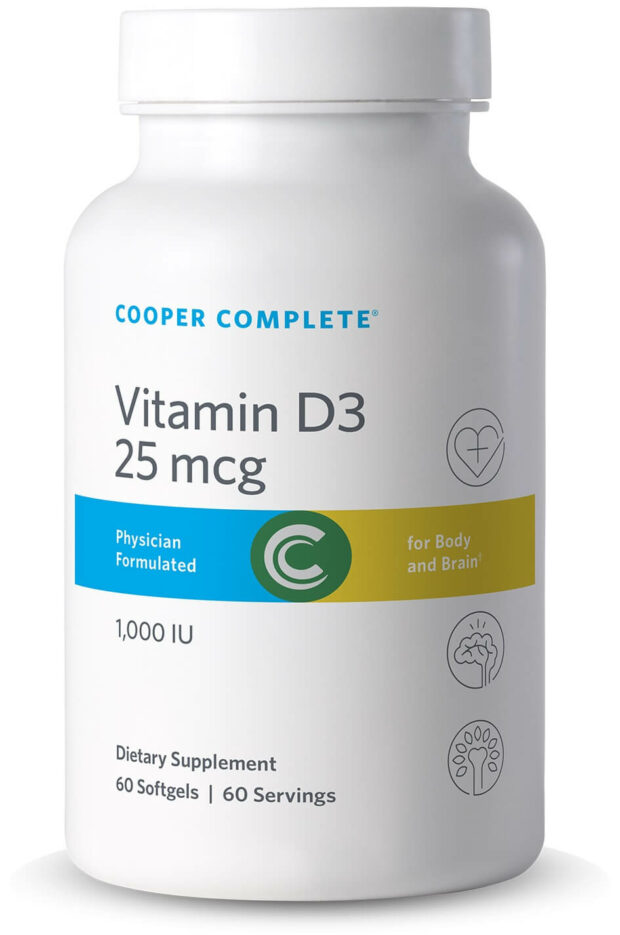
Vitamin D3 25 mcg (1000 IU) Supplement

11 Reviews   |  11 questions answered Write a Review

Vitamin D3 support for bone and immune health.


Subscribe and Save!

$12.33

Delivery frequency:

FREE SHIPPING ON 2+ BOTTLES

One-time Purchase

12.98

In stock

Gluten-Free

Vitamin D3 25 mcg (1000 IU)
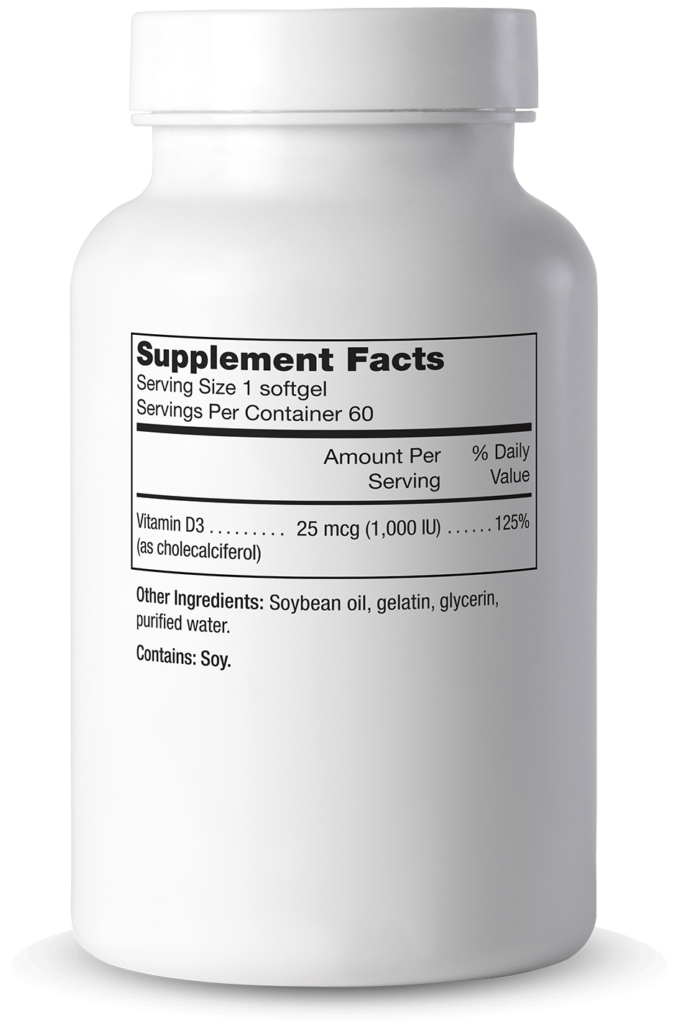
Supplement Facts

Serving Size: 1 softgel
Servings Per Container: 60
Ingredients Daily
Amount
% Daily
Value*
Vitamin D-3 (as cholecalciferol) 25 mcg (1,000 IU) 125%

*Percent Daily Value for Adults and Children 4 or more years of age.

Other ingredients: Soybean oil, gelatin, glycerin and purified water.

Cooper Complete Gluten Free iconCooper Complete Non GMO Icon

Gluten-free, Non-GMO.

While we strive to ensure the label information on this site represents the label on the product available for purchase, products are updated from time to time. Please consult the label on the product you purchase for the most accurate ingredient and allergen information.

SKU: 816899000195
Item#: 157
Formula#: COO-3001-60CT V1222
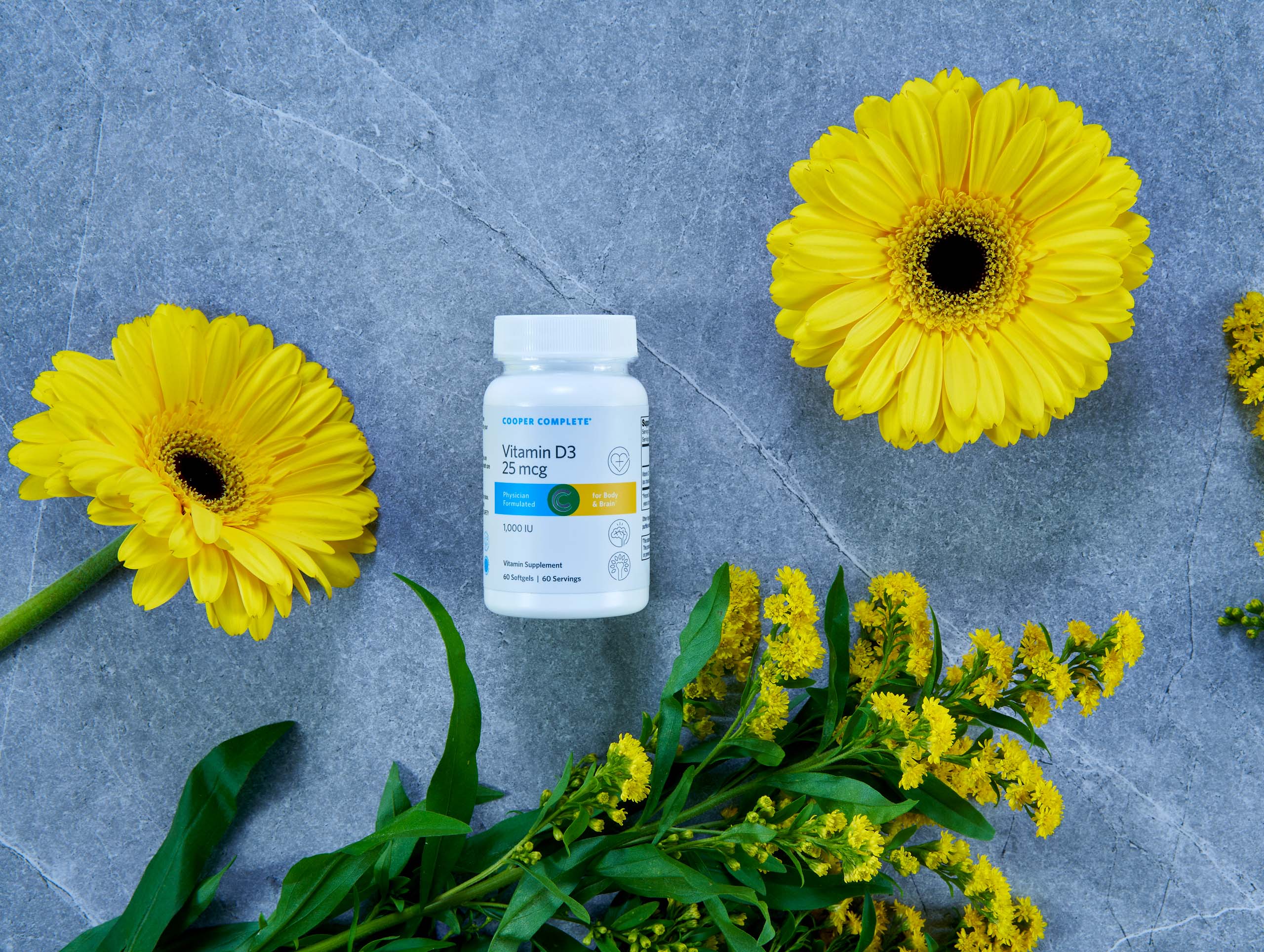
What It Is

Cooper Complete® Vitamin D3 25 mcg (1000 IU) supplement is for those who need more vitamin D than what they’ve absorbed through food and sunlight.

How to Use:

As a dietary supplement, take one (1) softgel daily with a meal or as directed by your health care professional. Each softgel contains 25 mcg (1000 IU) Vitamin D3. Each bottle contains 60 servings.


How It Helps

Cooper Complete Vitamin D supplement provides 25 mcg (1000 IU) vitamin D3 in the cholecalciferol form in each softgel. The D3 form of Vitamin D is more readily absorbed in the body than the vitamin D2 form.

Vitamin D3 25 mcg (1000 IU) Supplement is suggested for those with a vitamin D deficiency, as shown through laboratory testing.† Vitamin D deficiency is more common in people who:

  • Are 50 years or older (as the risk for deficiency increases with age)
  • Spend little time outdoors
  • Are a darker skin tone
  • Live in northern latitudes
  • Work indoors
  • Exercise indoors rather than outdoors
  • Have limited skin exposure due to clothing choices when outdoors
  • Consistently wear sunscreen
  • Have a higher body weight

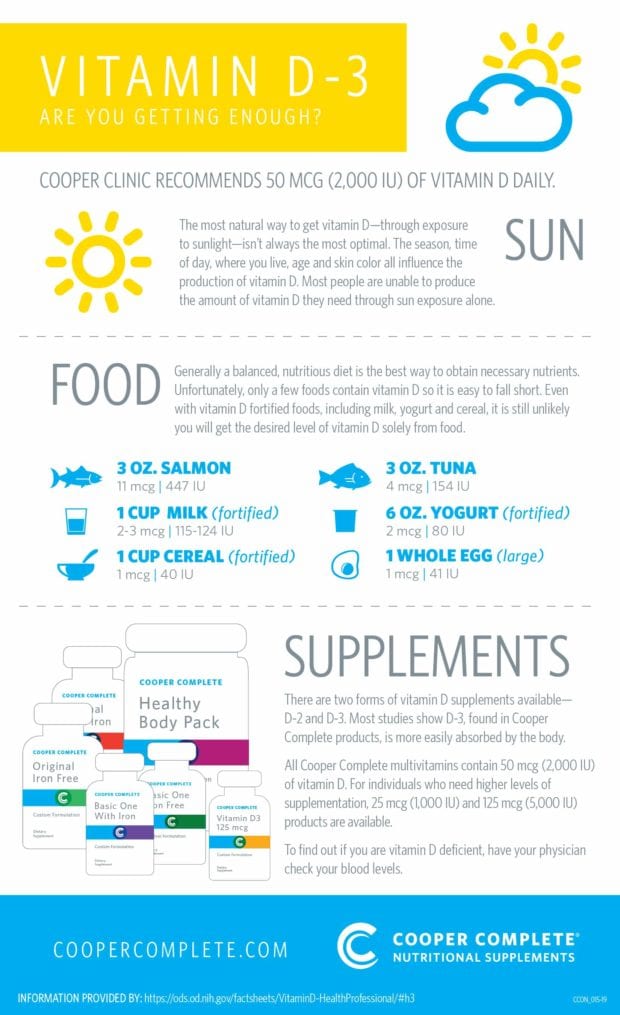
This supplement is for individuals who need higher levels of vitamin D supplementation than the amount of vitamin D3 in Cooper Complete multivitamins. Original and Basic One multivitamins contain 50 mcg (2000 IU).

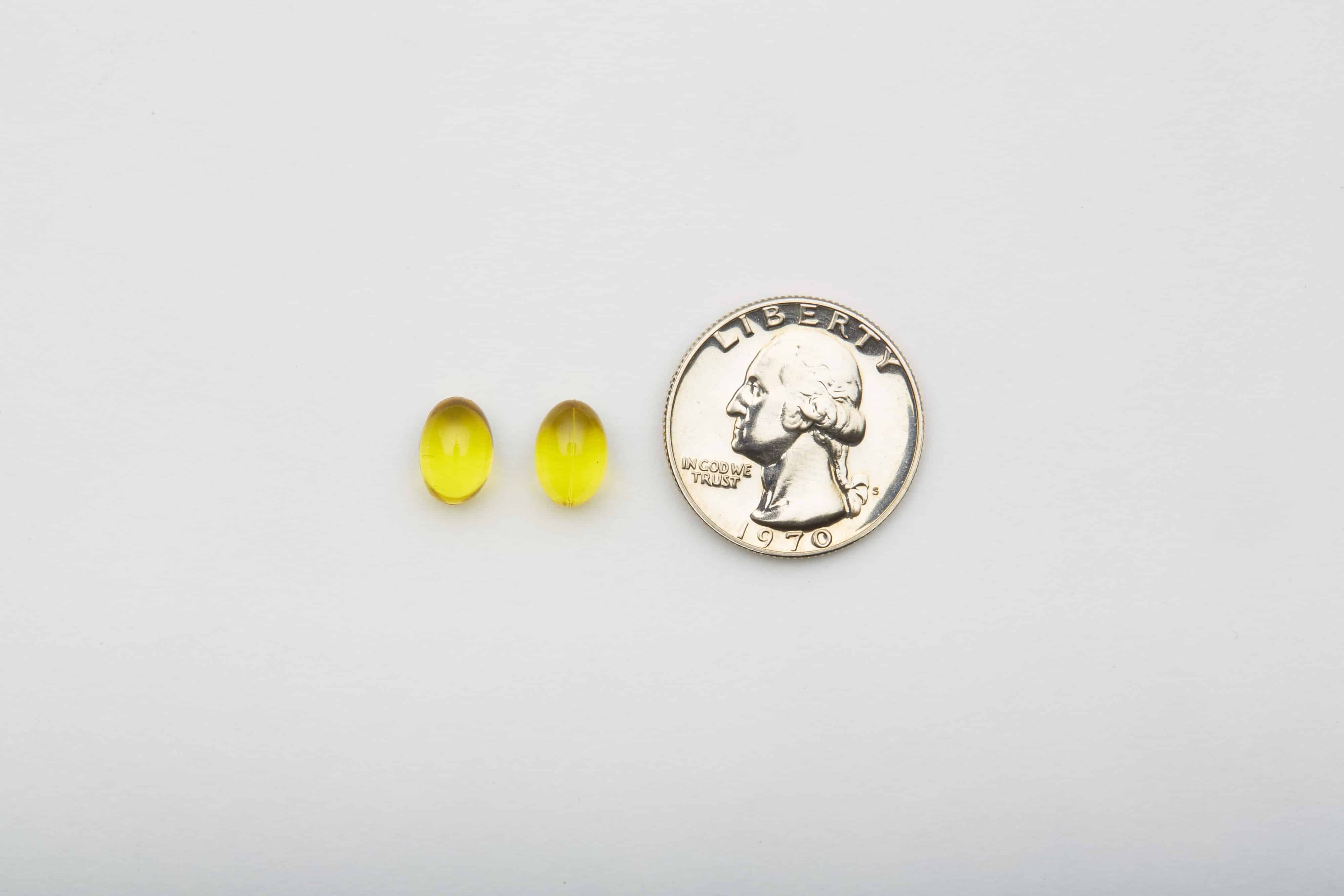
Each bottle contains 60 softgels. The daily recommended serving is one softgel with a meal.

Cooper Complete products are verified, and lot tested. If you would like a copy of a Certificate of Authenticity for a specific product or to learn more about our testing process and results, please contact us at customerservice@coopercomplete.com or call us at 888.393.2221 9 a.m. until 5 p.m. Monday-Friday central time (CST).

Complete your Cooper program.

You might be interested in the following Cooper Complete products to support healthy lifestyles.

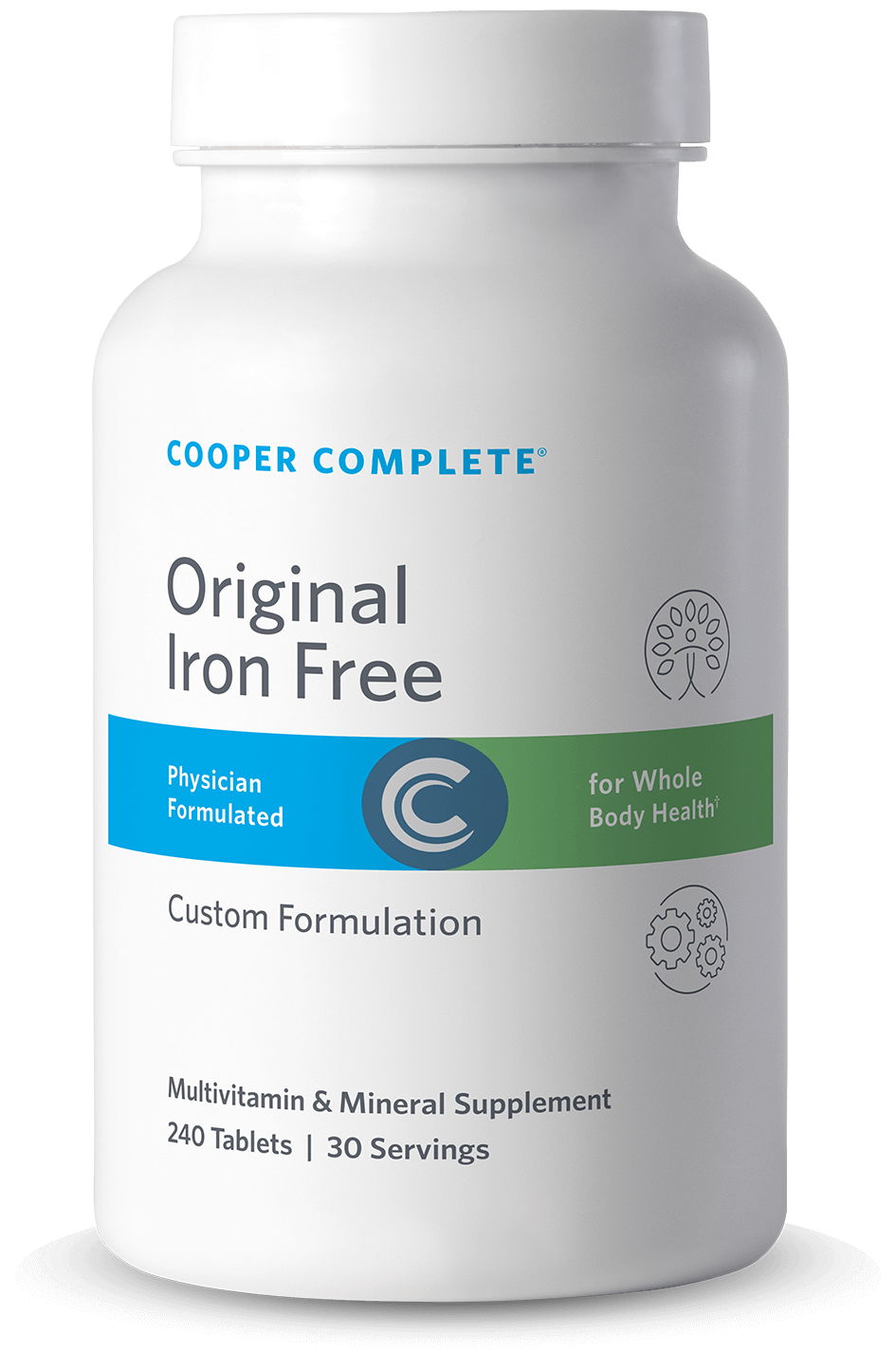
Photo of Cooper Complete Original Comprehensive Multivitamin Iron Free Supplement bottle.

Original Comprehensive Multivitamin Iron Free

Comprehensive, full-spectrum multivitamin support for those who want broader daily nutrient coverage.

$54.13 Add to cart
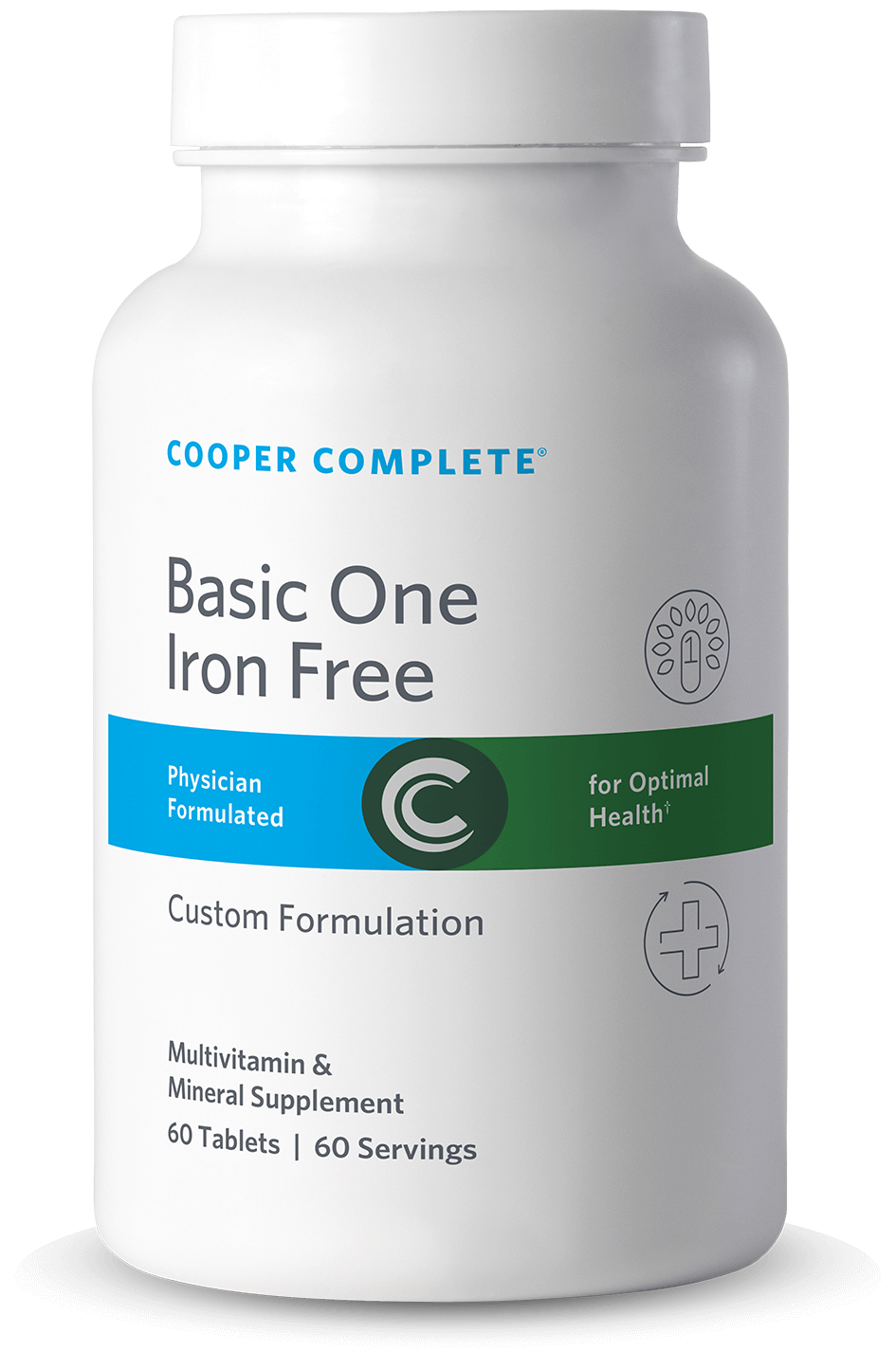
Photo of Cooper Complete Basic One Daily Multivitamin Iron Free bottle.

Basic One Daily Multivitamin Iron Free

Foundational multivitamin support for daily nutrition, providing essential nutrients at meaningful levels.

$29.90 Add to cart
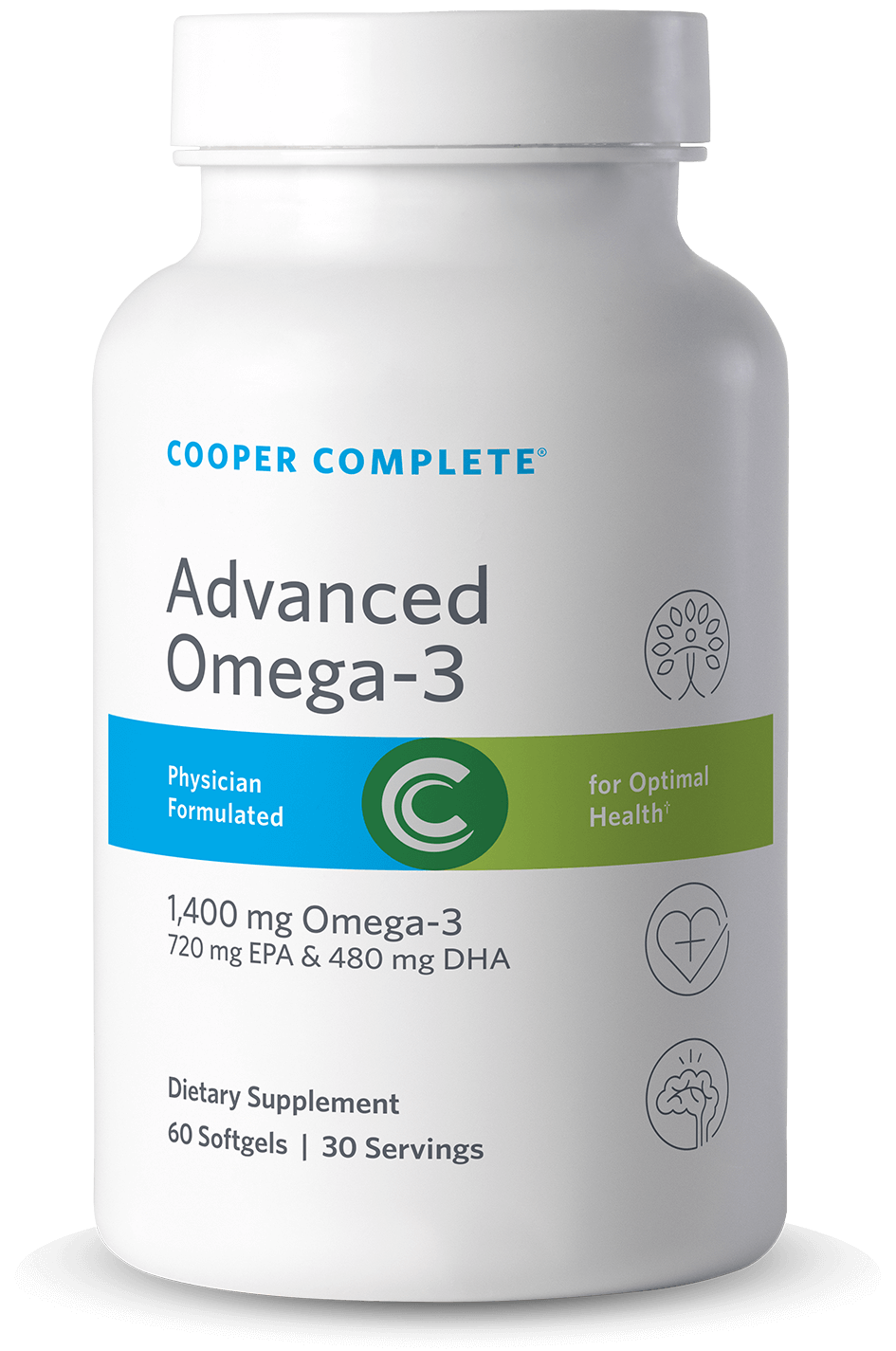
Photo of Cooper Complete Advanced Omega 3 Supplement bottle

Advanced Omega-3 Supplement

Omega-3 support for heart, brain, and joint health. A concentrated omega-3 providing EPA and DHA.
Limited Availability: Due to high demand, Advanced Omega-3 is currently limited to one bottle per customer. New inventory is expected the week of March 16.

$22.78 Add to cart

What Our Customers are Saying

5.00 out of 5 stars

  • 11 reviews
  • 0 reviews
  • 0 reviews
  • 0 reviews
  • 0 reviews

Reviews of Vitamin D3 25 mcg (1000 IU) Supplement

  1. Vit D3 has been a core part of our wellness search and for 20 years, Cooper Complete Vitamin D3 has been our choice.

    verified purchase

Add a review

Your email address will not be published. Required fields are marked *

Customer Q&As

If you have questions, we have answers. See what real people are asking about Cooper Complete products.

11 Questions
Ask a Question
Q:

In addition to vitamin D, are there other supplements I should consider for bone health?

A:

Osteoporosis is a major public health issue affecting bone health that is becoming more common in both women and men. Learn more about supplements that may support your goal of having and maintaining strong bones.

Q:

Can I take vitamin D at night?

A:

Most studies show that Vitamin D’s absorption and effectiveness are not dependent on time of day.† However, because it is fat-soluble, taking it with a meal that contains some healthy fat may support absorption.† The most important factor is taking it consistently each day to help maintain adequate vitamin D levels.†

Q:

Can vitamin D interfere with sleep?

A:

Some emerging research suggests that very high levels of vitamin D might influence the body’s natural melatonin production, which plays a role in regulating sleep.† If you have concerns about vitamin D and sleep, it’s best to consult with your physician for the dosage that is right for you.

Q:

Should I take this product if I am also taking Coumadin (warfarin)?

A:

If you are taking Coumadin  (warfarin), we recommend consulting your doctor before adding any supplements to your diet.

Q:

Does Vitamin D play a role in joint pain?

A:

Vitamin D supports many aspects of health, including bone maintenance and calcium absorption.†  A study published in The Clinical Journal of Pain found obese individuals with knee osteoarthritis who had higher levels of vitamin D experienced less knee pain than those with deficient or insufficient levels of vitamin D†. In the study of 256 middle-aged and older adults with osteoarthritis, the participants provided a self-report of knee pain and completed functional performance tasks that included balancing, walking and rising from a sitting position to a standing position. The participants with healthy vitamin D levels had less knee osteoarthritis pain, and could also walk, balance and rise from sitting to standing better than obese participants with insufficient vitamin D levels.†

Q:

How much Vitamin D do I need to take?

A:

How much is needed varies considerably based on age, skin tone, time of year, sun exposure, where one lives, weight, and other factors. Cooper Clinic suggests consulting with your physician on your specific intake based on your vitamin D test results, age, and health issues.

Q:

What Vitamin D level do I need to have?

A:

The recommended target level for vitamin D is open to debate. Most experts agree your vitamin D level should be at least 30 ng/ml. However, doctors at the Cooper Clinic in Dallas, Texas, recommend patients target at least 40 ng/ml as a baseline. A level of 50 ng/ml is considered optimal for brain health.

Q:

What causes Vitamin D deficiency?

A:

Vitamin D levels can vary based on factors such as season, location, sun exposure, and skin tone. Limited exposure to sunlight—whether due to lifestyle, use of sunscreen, or geographic location—can reduce the body’s natural vitamin D production. Food sources of vitamin D are limited and include options like fatty fish, cod liver oil, fortified dairy products, and cereals. People living in northern regions, and individuals with darker skin—due to higher melanin levels that reduce UV absorption—may have a higher likelihood of lower vitamin D levels.

Q:

How do I know if I need to take supplemental vitamin D?

A:

The only way to know your vitamin D level is to have a blood test known as 25 hydroxyvitamin D. Because vitamin D comes from food, sunshine, and dietary supplements, the amount needed can vary from person to person. In blood tests, vitamin D (25-hydroxyvitamin D) is measured in either nanomoles per liter (nmol/L) or nanograms per milliliter (ng/mL). One nmol/L equals 0.4 ng/mL, so 20 ng/mL is the same as 50 nmol/L.

According to public health guidelines, levels below 12 ng/mL (30 nmol/L) are considered very low, while levels above 50 ng/mL (125 nmol/L) may be higher than recommended. If you’re unsure of your vitamin D status or whether supplementation is appropriate, consult your healthcare provider.

Q:

Why is my Vitamin D level low?

A:

Several factors may contribute to low vitamin D levels. One common reason is limited sun exposure, often due to the use of sunscreen, which can significantly reduce the skin’s ability to produce vitamin D. For example, sunscreen with SPF 15 has been shown to decrease vitamin D synthesis by up to 99%. Other factors such as spending more time indoors and certain health conditions—including higher body weight—have also been associated with lower vitamin D levels.

Q:

Should I take Vitamin D3 25 mcg (1000 IU) Supplement with or without food?

A:

While vitamin D3 can be taken with or without food, some research suggests it may be better absorbed when taken with a meal containing fat. For example, a study published in the Journal of the Academy of Nutrition and Dietetics (February 2015) found that vitamin D3 absorption increased by 32% when taken with a meal where 30% of the calories came from fat. As individual responses can vary, you may wish to take your supplement with a balanced meal for optimal absorption.

Find the right supplements, personalized just for you

Live better. Live longer. Take the Cooper Complete vitamin quiz today.

Take the Quiz